Where can I find European historical coins?
European historical coins are tangible fragments of art, politics, and everyday life—spanning ancient, medieval, and modern eras. Their designs, mint marks, metal content, and circulation stories make them both collectible and deeply educational for numismatists and history lovers.(rare European coins)
History and context
Europe’s coinage reflects a vast timeline—from ancient artistry to modern Euro issues introduced for circulation in 2002, with common reverses and country‑specific obverses, plus special issues from microstates like Monaco and Vatican City.
Collectors often follow European coins for their narrative depth: empires, reforms, and commemorations, with many pieces documented and categorized across EU and pre‑Euro national series for study and identification.
Major finds and landmark auctions periodically reshape perceptions of rarity and value—such as high‑profile European hoards and elite collections emerging into the market, underscoring historical significance and price potential.(coin authentication)
Why some coins are worth so much
- Rarity and mintage: Low‑mintage issues, error coins, and scarce dates in specific mints can command premiums when demand exceeds supply.
- Condition and grading: Higher grades (uncirculated or proof) preserve detail and eye appeal, often driving sharp price differences across the same type.
- Historical significance: Coins linked to pivotal events, rulers, or microstates often attract global competition at auctions.
- Market channels: Specialized marketplaces and curated auctions amplify visibility, attracting serious bidders and transparent pricing.
Authenticity and certification
Start with identification using authoritative catalogs of European coins by country, denomination, dates, and mint marks; this baseline helps detect inconsistencies before formal certification.
Trusted marketplaces provide listing scrutiny and seller warranties, adding a layer of assurance for buyers and guiding documentation for potential grading and provenance checks.
For high‑value coins, use recognized third‑party grading and authentication services, and maintain provenance records (receipts, auction listings, expert opinions) alongside catalog references for verification continuity.
Where to buy and sell European historical coins
Strategy: cross‑list high‑demand pieces on specialist venues; use detailed descriptions (country, date, mint mark, grade), quality images, and references to recognized catalogs to increase trust and bids.
Browse verified European coinsPreserving coins for the long term
- Handle correctly: Use cotton or nitrile gloves; hold by the edges to avoid fingerprints and micro‑abrasions.
- Stable storage: Acid‑free holders, inert flips (Mylar), and archival albums; avoid PVC that can leach plasticizers and damage surfaces.
- Climate control: Keep humidity low (~35–55%), temperature stable, and store away from direct light; use silica gel where needed.
- Cleaning caution: Do not clean coins unless a specialist advises; natural patina often signals age and can enhance value, whereas cleaning may reduce it.
- Safe inspection: Use soft lighting and non‑abrasive tools; document condition with photos and notes for provenance and future sales.
If you must address contaminants, choose conservative, non‑abrasive methods under expert guidance; preserving original surfaces and patina protects historical integrity and market appeal.
Curated media: images and videos
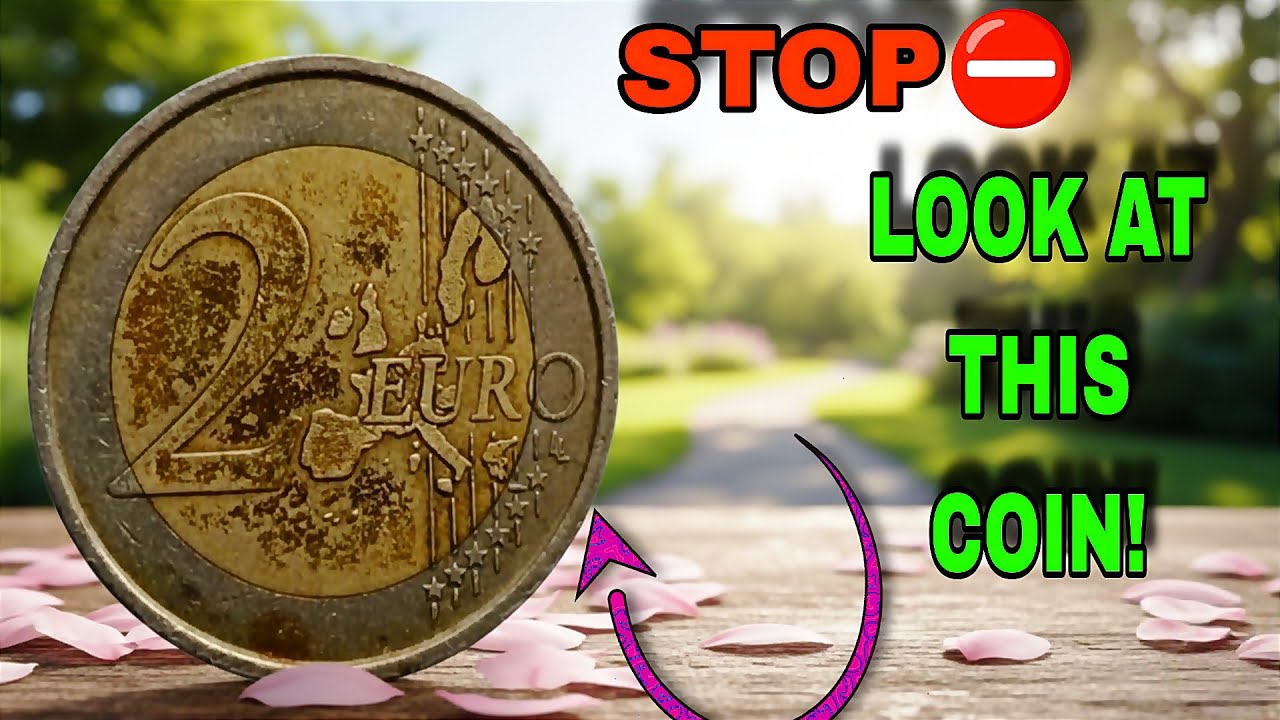
A clear, educational overview of early Euro coins, mint marks, and designs.
Long‑tail keywords for monetization
These intent‑driven long‑tail keywords are tuned to keep ad costs modest while capturing qualified traffic. Refine with your ad platform’s live CPC filters to maintain a $0.90–$1.00 target range.
- Keyword: buy rare European coins online safely
- Keyword: how to authenticate medieval European coins
- Keyword: verify genuine euro commemorative coins
- Keyword: best marketplaces to sell historic coins Europe
- Keyword: coin grading services for European coins
- Keyword: identify European coin mint marks guide
- Keyword: preserve old coins without cleaning damage
- Keyword: catalog of European coins by country and date
- Keyword: buy vatican and monaco euro coins certified
- Keyword: auction tips for selling rare European coins
Practical steps
- Identify: Confirm country, date, denomination, and mint marks using European catalogs and references.
- Assess: Evaluate condition; avoid cleaning; note patina and any toning before considering certification.
- Verify: Document provenance; buy from trusted marketplaces offering warranties and vetted dealers.
- Transact: For buying, set alerts on curated auctions; for selling, use detailed listings on Foronum and MA‑Shops and consider auction exposure on Catawiki.
- Preserve: Store in inert materials with stable climate controls; track collection data for future valuations.
Comentarios
Publicar un comentario