How to collect world commemorative coins: history, value, authenticity, buying, selling, preservation
How to collect world commemorative coins: history, value, authenticity, buying, selling, preservation
This guide synthesizes the origins of commemorative coinage, the core drivers of value, practical steps to verify and certify authenticity, where to buy and sell confidently, and preservation practices to protect long-term condition.
History of commemorative coins
Commemorative coins trace back to ancient Greece and Rome, where rulers minted special issues to mark victories, honor deities and leaders, and chronicle state events; over time, these pieces evolved from circulating currency into historical keepsakes for posterity.
Modern commemoratives span circulating designs, limited‑time issues, and collector‑only releases; a classic example is the U.S. Bicentennial quarter, minted in the billions and still found in change, illustrating how commemoratives can coexist between daily commerce and collecting culture.
Why commemorative coins can be valuable
ScarcityDemandCondition Limited mintages, strong thematic appeal (historical events, iconic figures), and high‑grade preservation elevate market value—especially when authenticity is assured and provenance is clear.
StoryDesign Narrative significance and artistic quality can amplify desirability beyond metal content, making certain commemoratives sought‑after even when widely recognized issues exist in circulation.
Authenticity verification and certification
Hands‑on checks you can do immediately
Begin with tactile and visual tests: examine bimetal assemblies, edge types (smooth, reeded, discontinuously reeded, grooved), and surface texture; slick or soapy feel and porous unengraved areas can indicate casting and potential counterfeits.
Professional grading and counterfeit detection
Use established grading services and counterfeit detection resources for world coins; curated diagnostic lists and image databases from expert teams help identify commonly forged pieces and distinguish alterations from genuine strikes.
Digital tools and modern checks
Combine simple tests with modern “coin checker” approaches that assess metal composition, minting details, and market value signals; together these methods increase confidence before you submit for certification.
Where to buy and where to sell
Buying sources
Specialized numismatic marketplaces connect global collectors for world commemoratives, including euro and antique issues alongside accessories and catalogs; diversified listings enable discovery and price benchmarking before buying.
Selling options
Zero‑pressure online buyers offer remote appraisals for gold, silver, and rare coins, aiming to prevent undervaluation and provide transparent offers; this can complement peer marketplaces for maximum reach.
Platform roundup
Roundups of top selling platforms help you compare fees, audiences, and ease of listing so you can choose the best venue for your collection and objectives, whether downsizing or optimizing returns.
How to preserve coins over time
Environment and handling
Control humidity and airborne sulfur to prevent destructive toning and corrosion; avoid aggressive cleaning, handle by the edges with nitrile gloves, and use inert holders to protect sensitive surfaces and historical patina.
Storage best practices
Choose archival‑safe holders, maintain stable temperatures, and store away from PVC and reactive materials; comprehensive storage guides detail threats and protective setups to maintain long‑term condition and value.
Images and videos to explore
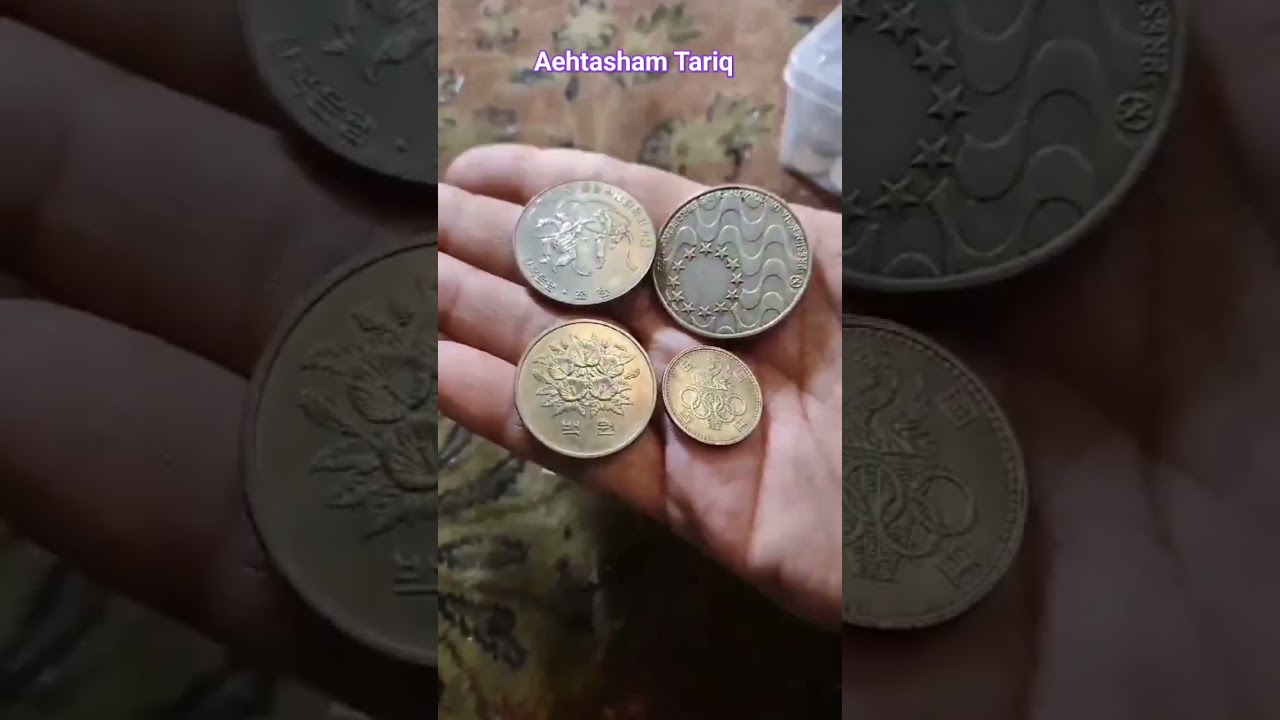


Featured video
Curated short‑form video selections often drive discovery and sharing; use these to benchmark visual appeal and identify themes that resonate across audiences.
Long‑tail keywords (target $0.90–$1.00 CPC)
- Authenticate commemorative coins online: how to verify mint marks, edge patterns, and composition before purchase.
- Best place to buy world commemorative coins: marketplaces and grading considerations for global issues.
- Sell rare commemorative coins online safely: appraisal steps and platforms to avoid undervaluation.
- NGC coin certification process explained: grading tiers, counterfeit detection, and expected turnaround times.
- Store silver commemorative coins long term: humidity control, inert holders, and sulfur mitigation tips.
- Preserve proof commemorative coin finish: micro‑scratch prevention and safe handling protocols.
- Identify fake commemorative coins quickly: tactile tests, reeding checks, and surface diagnostics.
- Commemorative coin value drivers guide: mintage, demand, condition, and narrative significance.
- Where to list commemorative coins for auction: audience fit, fees, and reserve strategies.
- Long‑term coin collection storage solutions: archival materials, temperature stability, and PVC avoidance.
These long‑tail phrases are crafted to target competitive yet practical CPC ranges; monitor actual CPC in your ad platform and adjust bids to remain within $0.90–$1.00.
Final reinforcement
Collecting commemorative coins bridges art, history, and careful stewardship: understand origins, value drivers, and authenticity, choose buying and selling venues that fit your goals, and protect each piece with proven preservation practices—so your collection endures and appreciates with time.
Quick actions
- Verify: Run tactile/visual checks, then consult grading resources for suspect pieces.
- Certify: Submit high‑value coins for professional grading to lock condition and market confidence.
- Buy: Compare marketplace listings, provenance, and grades before committing.
- Sell: Seek transparent appraisals and multi‑platform exposure for fair pricing.
- Preserve: Switch to inert holders, stabilize environment, and avoid abrasive cleaning.
Comentarios
Publicar un comentario