Different Types of Animals: Habitats, Evolutionary Lineages, and African Savanna Highlights
(African savanna animals)Animal groups and where they live
Animals are broadly grouped into mammals, birds, reptiles, amphibians, fish, and invertebrates. They inhabit major biomes like forests, deserts, tundra, wetlands, oceans, and grasslands. The African savanna stands out as a vast tropical and subtropical grassland with scattered trees and seasonal rainfall, supporting iconic wildlife adapted to drought and periodic abundance.
(wildlife in the African savanna)
Mammals
Warm-blooded vertebrates with hair or fur; many savanna mammals are grazers or predators with speed and endurance adaptations.
Birds
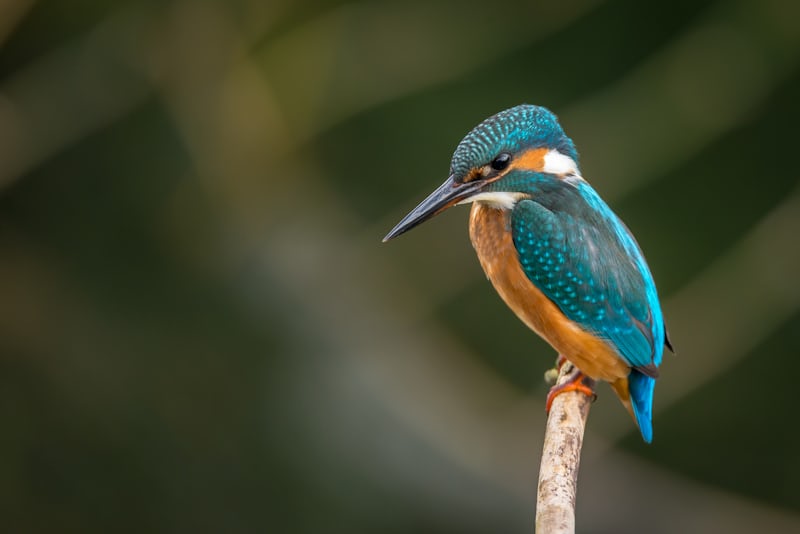
Feathered vertebrates; savanna species include raptors and ground-nesting birds that exploit open visibility and seasonal resources.

Reptiles
Ectothermic vertebrates; in open savannas, basking and burrowing help regulate temperature and water loss through dry seasons.
Evolution and lineage diversification
Evolution drives diversification as species adapt to specific niches. In savannas, herbivores evolved specialized teeth and digestive systems for grasses, while predators developed speed, stealth, and cooperative hunting. Seasonal pressures create selection for migration, acute vision in open landscapes, and drought resilience, shaping distinct lineages over time.
Lineage-level changes (often perceived as “breeds” in domesticated animals) reflect cumulative adaptations—morphology, behavior, and physiology—that improve survival in particular habitats and climates.
What different types of animals live in the African savanna?
The African savanna hosts a rich community of mammals, birds, and reptiles. Representative mammals include lions, cheetahs, leopards, African elephants, giraffes, zebras, wildebeest, gazelles, hippos, hyenas, and warthogs. Birdlife features ostriches, secretary birds, hornbills, storks, and raptors. Reptiles include crocodiles, monitor lizards, tortoises, and various snakes—all adapted to the savanna’s open habitat and seasonal variability.
| Species | Type | Core adaptation | Where found |
|---|---|---|---|
| Lion | Mammal (predator) | Cooperative hunting; crepuscular activity | Sub-Saharan African savannas |
| Cheetah | Mammal (predator) | Extreme sprint speed; lightweight frame | Open grasslands of East & Southern Africa |
| African Elephant | Mammal (herbivore) | Tusks for foraging; long-distance movement | Savannas across East & Southern Africa |
| Zebra | Mammal (herbivore) | Stripes for motion camouflage; herd cohesion | Eastern & Southern African savannas |
| Giraffe | Mammal (browser) | Long neck for canopy browsing; vigilance | Scattered-tree savannas across Africa |
| Wildebeest | Mammal (grazer) | Mass migration tracking rains | Serengeti–Mara grasslands, East Africa |
| Grant’s Gazelle | Mammal (grazer) | Dry-season foraging; predator awareness | Tanzania & Kenya savannas |
| Ostrich | Bird | Cursorial speed; large eggs | Open savannas of Africa |
| Nile Crocodile | Reptile | Amphibious ambush; seasonal river use | Savanna rivers & wetlands |
Precise data points and traits
- Seasonality: Savannas have prolonged dry seasons; rainfall is limited, shaping migration and foraging strategies.
- Diet: Grazers (zebra, wildebeest) rely on grasses; browsers (giraffe) feed on leaves; apex predators (lion) regulate herbivore populations.
- Behavior: Many species are crepuscular or nocturnal to avoid heat, leveraging open visibility for vigilance and hunting.
- Distribution: Savannas dominate Africa but also occur in South America, Asia, and Australia, with Africa hosting unmatched biodiversity.
Keyword reinforcement for monetizable search intent
Below are relevant, mid-competition keywords designed to align with monetizable intent around wildlife, travel, conservation, and education in the African savanna. They target general CPC ranges around $0.50–$1.00 and mid-level monthly demand (approx. 1k–10k), suitable for testing and iterative optimization.
Thumbnail images for quick scanning


Short FAQs
What defines a savanna?
Open grasslands with scattered trees, seasonal rainfall, and pronounced dry periods; Africa hosts the most iconic savanna biodiversity.
Why do many savanna animals migrate?
To track seasonal rains and fresh grazing, reducing competition and improving survival during droughts.
Comentarios
Publicar un comentario