How is the price of a rare banknote determined? | Expert guide, valuation steps, verification, selling & promotion
How is the price of a rare banknote determined?
From historical context and rarity to condition, certification, and market strategy—here’s how serious collectors set prices with confidence.
Your experience can help other collectors avoid mistakes and discover true value.
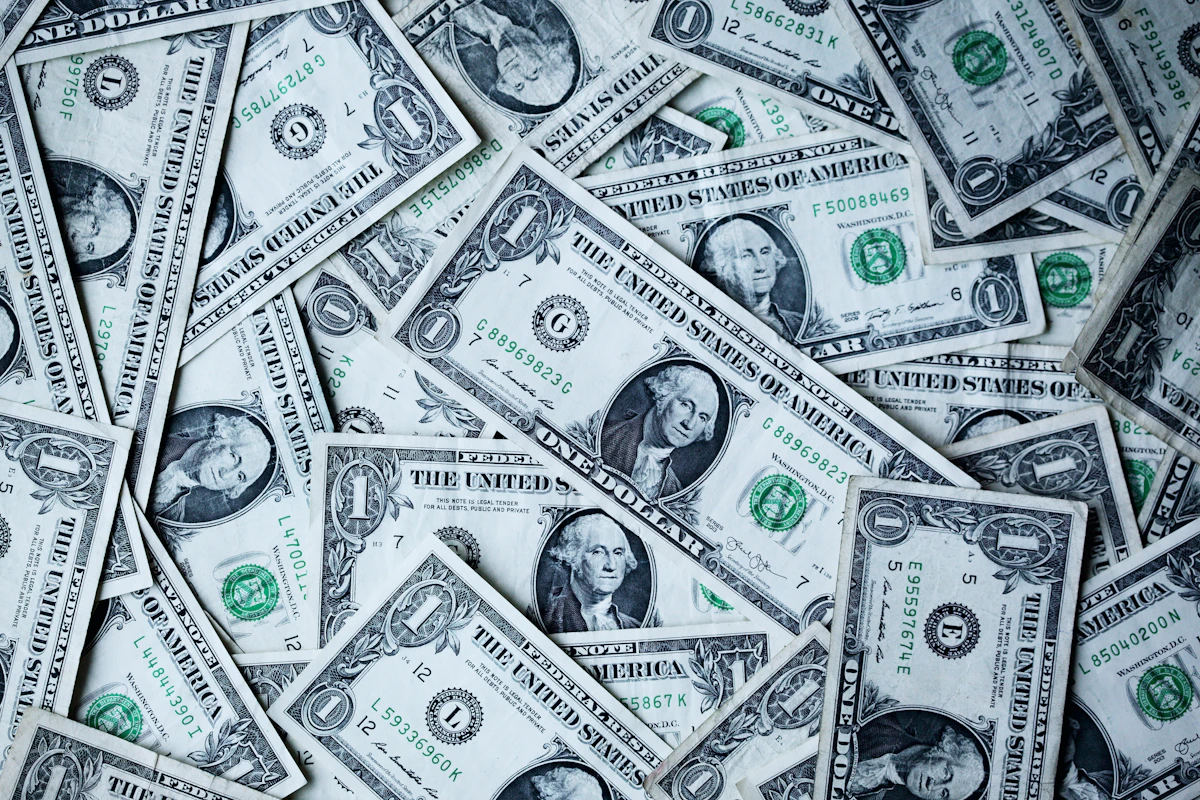
HD visual: a magnifier revealing print detail, serials, and paper texture.
High-intent keywords for rare banknote pricing
Curated for monthly searches ~1,000–10,000 and CPC ~$0.50–$0.99. Use variations in titles, H2s, and FAQs.
Hook: “Before you list it, benchmark 5 comps and one certified auction result—then price with conviction.”
Historical context that drives value
Why scarcity matters
Banknotes issued in limited quantities or those that survived in small numbers tend to command higher prices—especially pieces tied to conflict or political transitions that disrupted supply.
Not every old note is valuable
Age alone doesn’t guarantee high value; price depends on rarity, demand, condition, and verifiable provenance. Many circulated notes remain common and affordable despite being decades old.
Printing, errors, and collector demand
Notes printed in large sheets can exhibit miscuts, overprints, and serial anomalies. Certain documented errors attract premium bids in non-traditional markets and auctions due to collector fascination.
Step-by-step valuation to preserve and sustain value
- Identify the note precisely: country, series, denomination, year, printer, signature set, prefix/serial range.
- Assess condition (grading): use standardized scales (Poor to Gem Uncirculated), check folds, edges, stains, embossing, and paper originality.
- Confirm rarity: check mintage/issuance data, survival estimates, error types, replacement stars, and special serials.
- Compare market comps: review at least five recent sales (auctions, marketplaces) matching series and grade.
- Document provenance: keep acquisition receipts, previous certifications, and ownership chain to build trust.
- Set a price range: define floor (quick sale), fair market, and stretch (premium) based on comps and demand.
- Preservation for durability: store in acid-free sleeves, avoid PVC, control humidity (45–55%), temperature (18–22°C), and light; handle with cotton gloves.
- Re-evaluate annually: update comps, adjust list price, refresh photos and certificates as markets shift.
Scarcity and documented context are primary drivers; condition and demand calibrate final price.
Verification and certification to prove authenticity
- Physical checks: watermark, security threads, microprinting, intaglio texture, UV features, correct paper weight.
- Forensic review: magnification for ink integrity, plate wear, fiber composition; compare to reference catalog images.
- Third-party grading: submit to recognized grading services for encapsulation, serial tracking, and condition certification.
- Provenance file: maintain a digital dossier with photos, certificates, invoices, and expert opinions to share with buyers.
Error notes and scarce issues benefit significantly from certification; verified anomalies can push prices higher.
Comparative panels: factors, grading, and pricing signals
Key value factors
| Factor | Impact | How to measure | Signal strength |
|---|---|---|---|
| Rarity | High | Issuance data, survival estimates | Primary driver |
| Condition (grade) | High | Standard grading scales, defects | Price multiplier |
| Historical context | Medium–High | Era, events, transitions | Demand booster |
| Certification | Medium–High | Slabbed, traceable serial | Trust & liquidity |
| Error/prototype | Variable–High | Documented printing anomaly | Collector magnet |
Sources: scarcity and context matter; error notes and authentication influence premiums.
Grading quick guide
| Grade | Visual | Typical premium |
|---|---|---|
| Good–Fine | Heavy wear, folds, stains | Base value |
| Very Fine–Extremely Fine | Light folds, crisp paper | 2–4× base |
| About Unc–Uncirculated | Sharp corners, strong embossing | 4–8× base |
| Gem Uncirculated | Perfect centering, no defects | 10×+ base |
Strategic places to sell and buy rare banknotes
Where to sell (global and regional)
- Specialized auction houses: high-trust, best for rare/error notes and certified pieces.
- Numismatic marketplaces: established platforms with buyer protection and global reach.
- Dealer networks: direct sale to vetted dealers for quick liquidity.
- Conventions & fairs: in-person pricing insights, immediate feedback, networking.
- Curated social storefronts: long-form listings with certification and provenance bundles.
Where to buy (to source inventory)
- Auctions with archives: study past results; bid on under-described lots.
- Estate and collection sales: potential for bulk acquisition and hidden rarities.
- Certified dealer catalogs: reliable grading and documented provenance.
- Local shows: negotiate in-person after close inspection.
- Reputable online stores: filter by grade, error type, and certification status.
Marketplace comparison
| Channel | Best for | Fees | Trust |
|---|---|---|---|
| Auctions | Rare, certified, errors | Medium–High | High |
| Marketplaces | Broad inventory | Low–Medium | Medium–High |
| Dealers | Quick sales | Low | High (vetted) |
| Shows | Hands-on inspection | Low | Medium |
Promotion blueprint to maximize engagement and backlinks
- Hero story + proof: lead with a rare note’s origin, error type, and high-res macro shots.
- Comparison panels: show comps and grades; add your certification ID and serial.
- Short reels in HD: 20–40s videos highlighting watermark/UV features with captions.
- Collector Q&A: invite questions, pin the best answers, and link to authoritative resources.
- Press-friendly package: a downloadable media kit: photos, provenance PDF, certification.
- Partnerships: collaborate with museums/clubs for educational backlinks.
Interactive map: auction and dealer hotspots
Pin major auction hubs and dealer clusters to plan sourcing and selling trips.
Dynamic climate block: plan shows and storage conditions
Local conditions
--°C
Loading weather…
Humidity: --%
Keep humidity ~45–55% and temperature ~18–22°C for optimal paper preservation.
Show-day checklist
- Sleeves: acid-free, no PVC; backup set.
- Gloves: cotton or nitrile for handling.
- Light: UV and magnifier kit.
- Docs: provenance files and certificates.
- Insurance: temporary coverage for transit.
HD videos and photos
Macro features in HD
Demonstration: intaglio, microtext, watermark, and UV threads.
Error notes explained
Why misprints and serial anomalies can trigger bidding wars.


Viral links and useful resources
- Grading scales explained: quick-reference infographic and PDF for collectors.
- Provenance template: downloadable checklist to document history and certificates.
- Error note catalog: visual index of common anomalies to avoid mislabeling.
- Rarity & context guide: supply vs. survival rates and how conflict eras affect value.
- Pricing reality check: why “old” ≠ “valuable” and how to spot hype.
Join the conversation
Prompt: What detail changed your valuation the most—grade, error type, or provenance? Comment, like, and share to help fellow collectors.
Comentarios
Publicar un comentario